Fruits
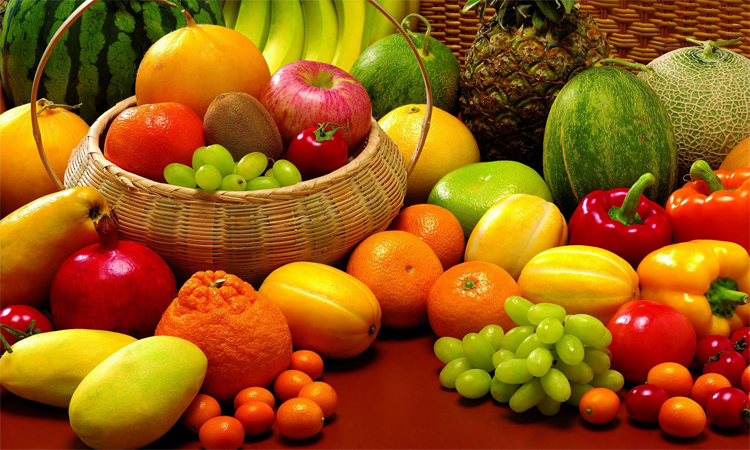
Fruits
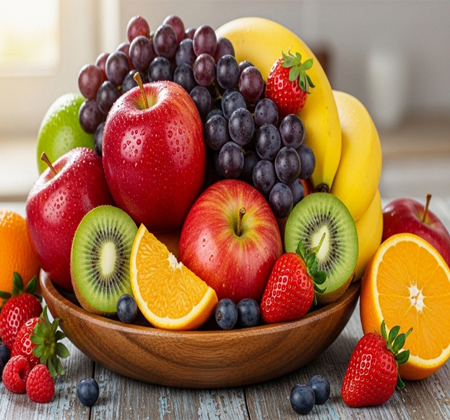
Fruits are the mature ovaries of flowering plants (angiosperms) that develop after fertilization and function primarily to protect seeds and aid in their dispersal. Botanically, fruits are classified into categories such as simple fruits (developing from a single ovary, e.g., berries and drupes), aggregate fruits (from multiple ovaries of one flower), and multiple fruits (formed from a cluster of flowers). They can be fleshy, like apples and mangoes, or dry, like nuts and grains. Nutritionally, fruits are rich in vitamins (especially vitamin C and folate), dietary fiber, natural sugars, antioxidants, and various phytochemicals that support immune function, digestion, and overall health.
Their colors—ranging from red and purple to yellow and green—often indicate the presence of beneficial compounds such as anthocyanins, carotenoids, and flavonoids. Fruits play a crucial ecological role by enabling seed dispersal through animals, wind, and water, thereby supporting plant reproduction and biodiversity. Economically, fruit cultivation is a major sector of global agriculture, with countries like China, India, Brazil, and United States being leading producers. Beyond fresh consumption, fruits are processed into juices, dried products, jams, wines, and oils, making them integral to food industries and international trade.





.jpg)