Rice
Rice
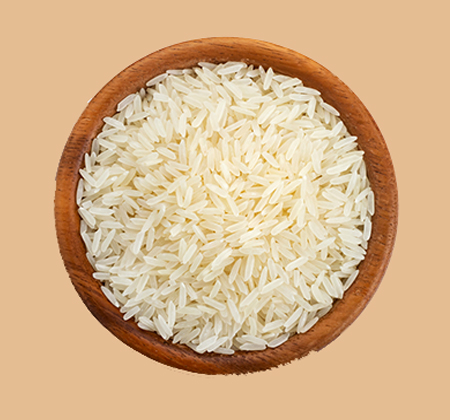
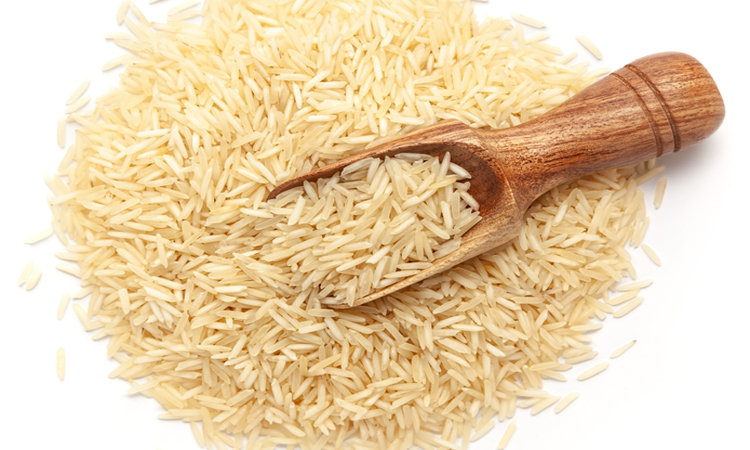
Rice is one of the most important staple crops in the world, feeding more than half of the global population. Scientifically known as Oryza sativa (Asian rice) and Oryza glaberrima (African rice), it is primarily cultivated in tropical and subtropical regions across Asia, Africa, and parts of the Americas. Countries such as China, India, Indonesia, Bangladesh, and Vietnam are among the largest producers and consumers of rice. It grows best in flooded fields called paddies, although upland varieties are also cultivated in rainfed areas. Rice is rich in carbohydrates, providing a major source of energy, and contains small amounts of protein, vitamins (especially B vitamins), and minerals.
There are thousands of varieties, broadly categorized into long-grain, medium-grain, and short-grain types, each differing in texture and culinary use. White rice is milled and polished, removing the bran and germ, while brown rice retains these layers and offers more fiber and nutrients. Beyond its nutritional role, rice has deep cultural, economic, and religious significance in many societies, symbolizing prosperity and life. It is also used in various products such as rice flour, rice bran oil, fermented beverages, and animal feed. As global demand rises, sustainable rice farming practices are increasingly important to address challenges such as water use, methane emissions, and climate change.