Potato
Potato
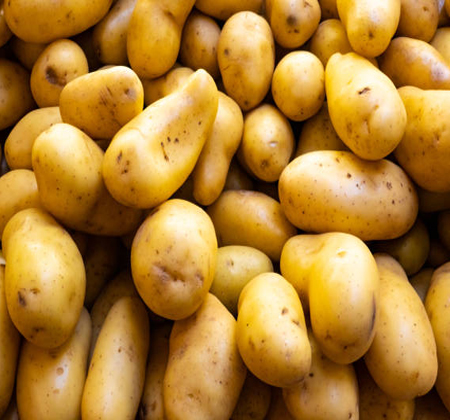
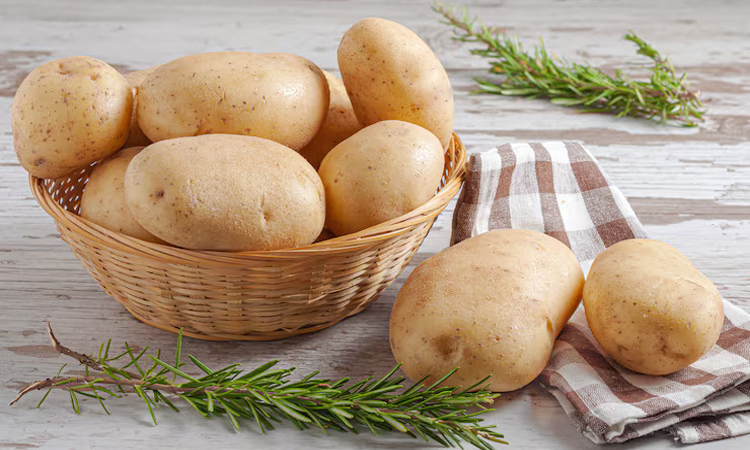
Potato is a starchy root vegetable scientifically known as Solanum tuberosum, belonging to the nightshade family, Solanaceae. It originated in the Andean region of South America and was first domesticated by indigenous peoples thousands of years ago before being introduced to Europe in the 16th century. Today, it is one of the world’s most important food crops and a staple in many countries, including China, India, Russia, Ukraine, and United States. Potatoes are rich in carbohydrates, mainly in the form of starch, making them an excellent source of energy. They also provide vitamin C, vitamin B6, potassium, fiber (especially when eaten with the skin), and antioxidants. Potatoes can be prepared in numerous ways—boiled, baked, mashed, fried, or roasted—and are used in a wide variety of dishes across global cuisines.
Agriculturally, potatoes are valued for their high yield, adaptability to different climates, and relatively short growing cycle. However, green or sprouted potatoes contain solanine, a natural toxin that can be harmful if consumed in large amounts. Beyond food use, potatoes are also utilized in the production of starch, alcohol, and processed snack products. Due to their nutritional value, versatility, and global importance, potatoes play a significant role in food security and the agricultural economy worldwide.