Jute Bag
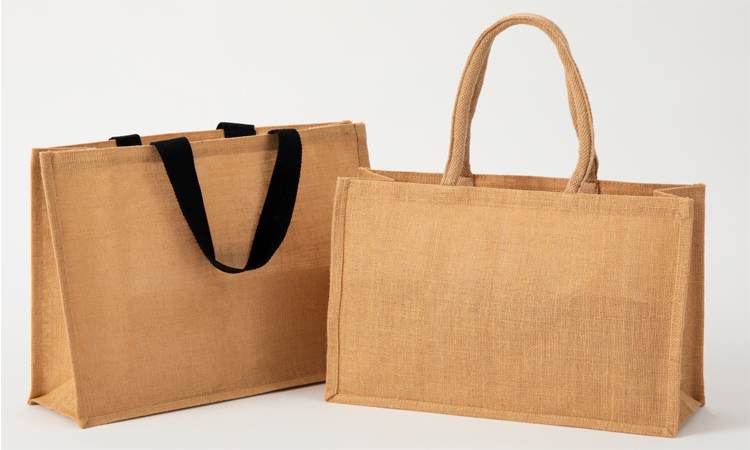
Jute Bag
A jute bag is an eco-friendly, durable, and reusable bag made from natural jute fiber obtained from the Corchorus plant. Known as the “golden fiber,” jute is biodegradable, renewable, and compostable, making jute bags an environmentally sustainable alternative to plastic bags. These bags are strong and breathable, capable of carrying heavy loads without tearing easily, which makes them suitable for shopping, packaging, promotional events, and agricultural use. Jute bags are produced mainly in countries such as India and Bangladesh, where jute cultivation plays a major economic role.
The manufacturing process includes harvesting the jute plants, extracting fibers through retting, spinning them into yarn, and weaving them into fabric before stitching into bags. Jute bags can be laminated for water resistance and printed with designs or logos, making them popular for branding and retail purposes. In addition to reducing plastic pollution, jute bags require less energy to produce compared to synthetic alternatives and decompose naturally without releasing harmful substances. Their combination of strength, affordability, and sustainability has made them increasingly popular worldwide as awareness of environmental conservation grows.




.jpg)